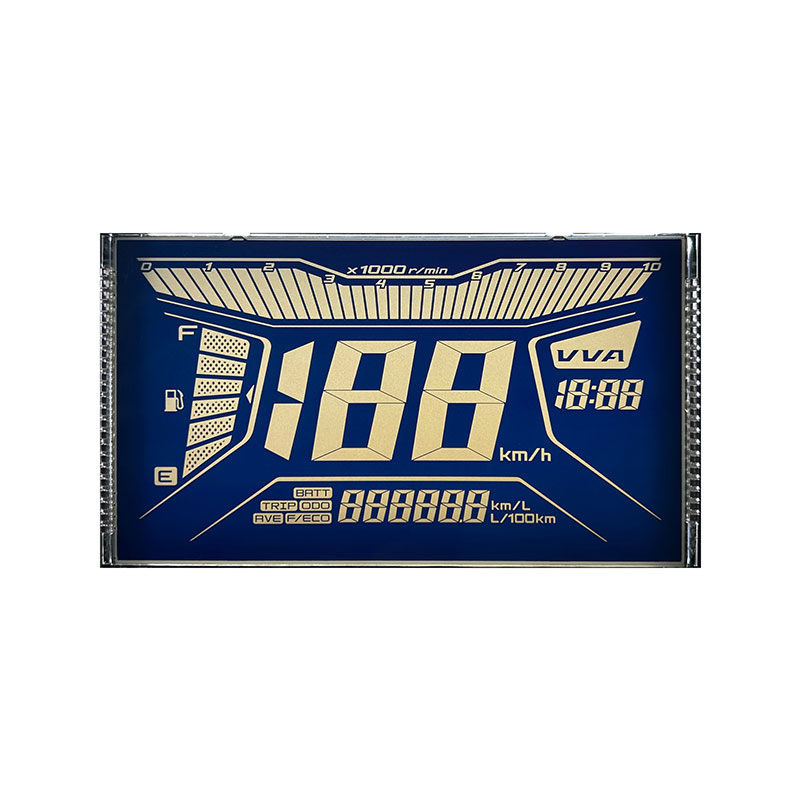
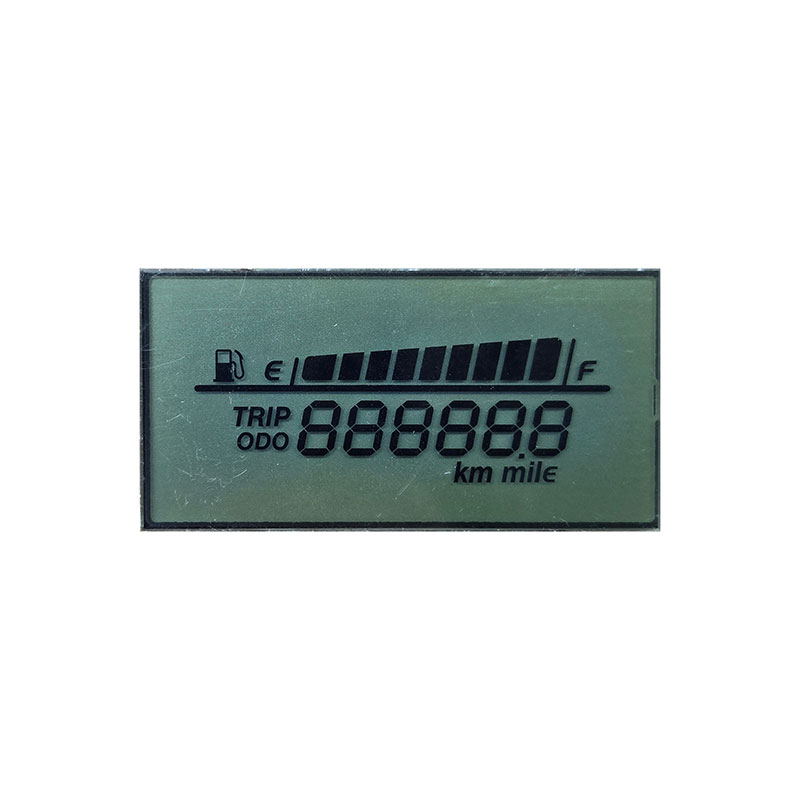
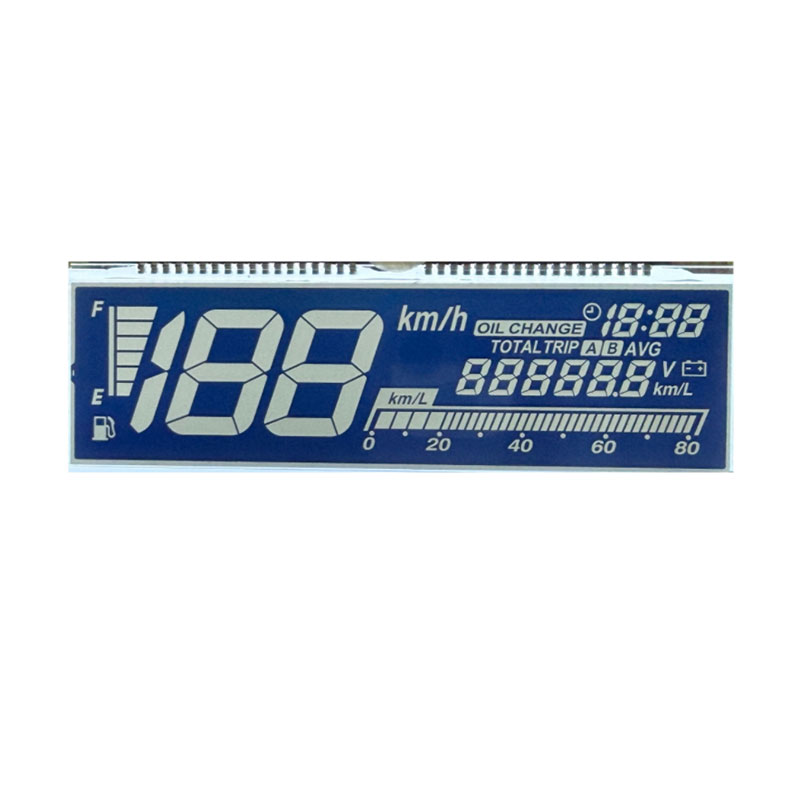
VA segment LCD panels are suitable for instrumentation, medical devices, automotive electronics, smart home products and other applications that require a black background, high contrast and good multi-angle readability. TN segment LCD panels are suitable for projects with simple display structures, tight cost requirements and low power consumption targets.
When selecting a custom LCD manufacturer, buyers should look beyond unit price. Important evaluation factors include display parameters, tooling documentation, sample lead times, quality management systems, production testing and long-term supply capability.
Dongguan Fangsheng Electronics Co., Ltd. provides custom LCD and display module solutions covering VA, TN and other LCD technologies for industrial, medical, automotive, smart home and consumer electronics applications.
Both VA and TN segment LCDs can display digits, symbols, units and fixed icons, but they differ in display performance, viewing angle characteristics and application suitability.
VA segment LCD panels commonly use a dark or black background with white, blue or other colored backlights. They can provide high contrast and good readability from multiple viewing directions.
VA LCD solutions are suitable for products where visual appearance, off-axis readability and display contrast are important, including:
Industrial instrumentation
Medical devices
Automotive electronics
Smart home control panels
Home appliances
Consumer electronic products
Control panels and measuring equipment
The final display performance depends on the LCD structure, polarizers, backlight, viewing direction, glass design and mechanical construction of the end product.
TN segment LCD panels use a mature and relatively simple LCD structure. They are commonly selected when cost efficiency, low power consumption and straightforward segment display requirements are important.
TN LCD displays are suitable for products that mainly require:
Numbers
Units
Fixed icons
Simple status indicators
Low power consumption
Cost-effective display solutions
The primary viewing direction should be defined during the design stage. Contrast and readability may decrease when the display is viewed outside the specified viewing direction.
VA and TN segment LCDs should not simply be classified as high-end and low-end technologies. The appropriate solution depends on the actual product requirements.
Important factors include:
Viewing direction
Required viewing angle
Ambient lighting conditions
Backlight color
Power consumption
Operating temperature
Display appearance
Mechanical structure
Target production volume
Overall product cost
For custom LCD projects, the final selection should be verified through display drawings, engineering samples and testing on the actual end product.
If your project also considers color TFT displays, resolution should be evaluated in addition to outline dimensions. Resolution affects interface layout, graphic details, text readability, main controller configuration, power consumption and development requirements.
Complete technical information helps LCD manufacturers evaluate the project accurately and prepare suitable quotations.
When submitting a custom VA segment LCD or TN segment LCD enquiry, customers are recommended to provide the following information:
Product application and operating environment
LCD outline dimensions
Viewing window dimensions
Installation clearance
Digits, text, units and icons to be displayed
Positive mode or negative mode
Background and segment color requirements
Primary viewing direction
Required viewing angle
Operating voltage
Main controller IC or mainboard information
Connection method such as metal pins, FPC or rubber connector
Backlight color
Backlight brightness requirements
Power consumption requirements
Operating temperature
Storage temperature
Indoor or outdoor application
Sample quantity
Estimated monthly or annual volume
Target mass production date
If available, customers should also provide LCD drawings, display artwork, existing samples, mainboard documents and pinout definitions.
These documents allow the manufacturer to evaluate glass dimensions, segment layout, routing space, connector position, FPC structure and backlight construction more accurately.
Product photos alone are usually not sufficient for an accurate custom LCD quotation.
Providing complete technical information at the beginning can reduce repeated communication and minimize design changes during later development stages.
Tooling is an important stage in custom LCD manufacturing. Incorrect display artwork or mechanical dimensions may result in tooling modification, additional engineering costs and delayed delivery.
Before tooling starts, customers and manufacturers should confirm the following parameters:
LCD outline dimensions
Viewing window dimensions
Glass thickness
Glass type
Segment pattern
Font size
Icon position
Pin quantity
Pin pitch
FPC position
Viewing direction
Positive or negative display mode
Operating voltage
Duty cycle
Bias ratio
Backlight structure
Mounting method
For VA segment LCD panels, special attention should be paid to:
Background appearance
Segment color
Backlight color
Backlight brightness
Viewing angle
Contrast
Display uniformity
The black background effect of a VA LCD is not determined by LCD mode alone. Polarizer selection, backlight design, panel structure, ambient lighting and the mechanical housing of the end product can all affect the final visual result.
Before tooling begins, the final versions of the display drawing, mechanical drawing, connection definition and key electrical parameters should be confirmed by both parties.
This helps prevent issues such as missing segments, incorrect dimensions, pin mismatches or incompatibility with the customer's mainboard.
There is no universal price for a custom LCD display. The final quotation depends on the technical specifications and production requirements of each project.
Major cost factors include:
Glass outline dimensions
Glass utilization
LCD display mode
Liquid crystal material
Polarizer type
Segment complexity
Operating temperature range
Connection method
Backlight configuration
Testing requirements
Order quantity
VA LCD solutions may require specific liquid crystal materials, polarizers and backlight matching. Therefore, their cost structure can differ from standard TN segment LCD displays.
Additional requirements such as wide temperature operation, high brightness, multi-color printing, special-shaped glass, customized FPC structures or stricter reliability testing may also affect the quotation.
Custom LCD projects may include initial photomask, tooling and engineering development costs.
When comparing quotations from different LCD manufacturers, buyers should confirm whether the quoted price includes:
LCD panel
Backlight
FPC
Tooling
Engineering development
Samples
Testing
Packaging
Shipping
Taxes or other applicable charges
Comparing unit prices alone can create an inaccurate picture of the total project cost.
Standard off-the-shelf LCD panels have fixed dimensions and specifications, while custom LCD displays require engineering evaluation based on the display content, glass dimensions, connection structure and application environment.
According to the production specifications provided by Dongguan Fangsheng Electronics Co., Ltd., standard custom LCD sample lead time is approximately 12 days, while mass production typically takes approximately 25 to 30 days.
For projects integrating COG, COB, backlight, FPC or other module assemblies, the project should be evaluated as an LCM module.
Typical LCM timelines are:
LCM samples: approximately 3 to 4 weeks
LCM mass production: approximately 4 to 6 weeks
For TFT display modules:
TFT samples: approximately 2 to 4 weeks
TFT mass production: approximately 4 to 6 weeks
Actual lead times depend on the display size, resolution, display artwork, tooling status, material availability, connection structure, backlight configuration and testing requirements.
Projects with complete technical documentation and timely drawing approval generally have a clearer production schedule.
If the display artwork, mechanical dimensions or connection structure changes after confirmation, the sample and mass production schedule should be reconfirmed.
Custom VA segment LCD and TN segment LCD products do not have one fixed MOQ that applies to every project.
According to Dongguan Fangsheng Electronics Co., Ltd., MOQ can vary depending on LCD dimensions and project requirements. A small pilot production run can be arranged for a new model.
When discussing MOQ, buyers should provide:
LCD dimensions
Display technology
Sample quantity
Estimated annual demand
Expected repeat order frequency
Target mass production volume
The manufacturer can then evaluate the appropriate production quantity based on glass utilization, material procurement and production batch requirements.
For projects where future demand is uncertain, a sample and pilot production stage can help verify display quality, assembly compatibility and production consistency before larger-volume production.
A sample that lights up correctly does not automatically mean that the LCD is ready for mass production.
Display, electrical, mechanical and environmental validation should be completed according to the requirements of the end product.
Basic LCD inspection may include:
Outline dimensions
Viewing window dimensions
Segment content
Missing segments
Extra segments
Crosstalk
Background appearance
Contrast
Viewing angle
Backlight uniformity
Connection reliability
Assembly compatibility
The displayed digits, units and icons should be checked to ensure that they are clearly visible under actual operating conditions.
For TFT display modules, additional inspection may include:
Resolution
Graphic rendering
Text readability
Color performance
Brightness
Viewing angle
Electrical testing can include:
Operating voltage
Driving waveform
Power consumption
Connection performance
Continuous operation stability
For products operating across a wide temperature range, high and low temperature operating tests and storage tests should be conducted according to the defined product specifications.
For automotive, industrial or vibration-sensitive applications, additional testing may include:
Vibration
Mechanical shock
Humidity and heat
ESD
Aging
Environmental reliability
Each test should reference the confirmed drawing revision, datasheet, test conditions and acceptance criteria.
If a nonconformity is identified, root cause analysis, corrective action and re-validation should be completed before mass production approval.
Long-term supply reliability should not be judged only by the manufacturer's total production capacity.
Buyers should also evaluate the practical production capacity available for the specific project, material supply, engineering support, quality control and production scheduling.
Dongguan Fangsheng Electronics Co., Ltd. reports a monthly production capacity of approximately 3 million pieces.
During supplier evaluation, buyers should also confirm:
Production capacity allocated to the project
Current production schedule
Raw material availability
Material lead times
Expected monthly delivery capacity
Engineering support
Quality control procedures
Long-term cooperation also requires effective document and version management.
Important con
This website uses cookies to ensure you get the best experience on our website.
 +86 13609666385
 Vale@fsdzlcd.com
 Whatsapp8615626154788


 English
 Deutsch
 Español
 Filipino
 Français
 Bahasa Indonesia
 Italiano
 Português
 Русский
 ไทย
 Türkçe
 Tiếng Việt