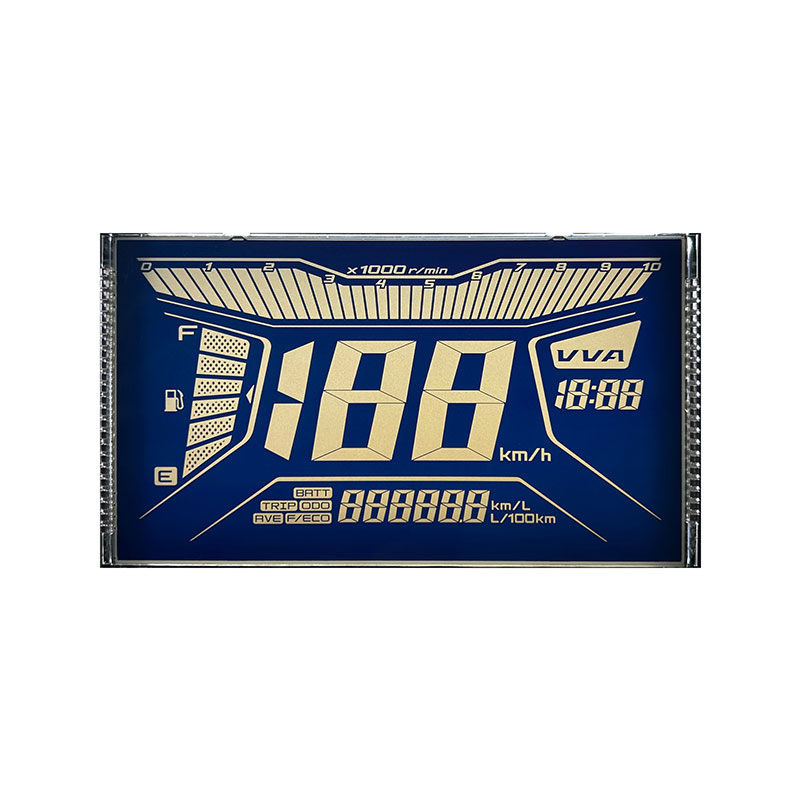
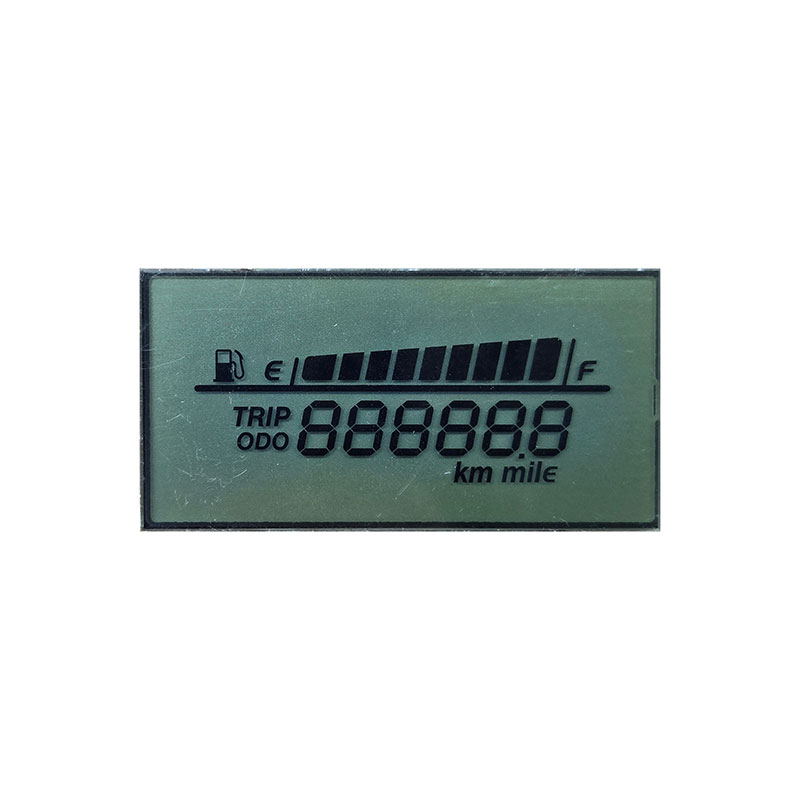
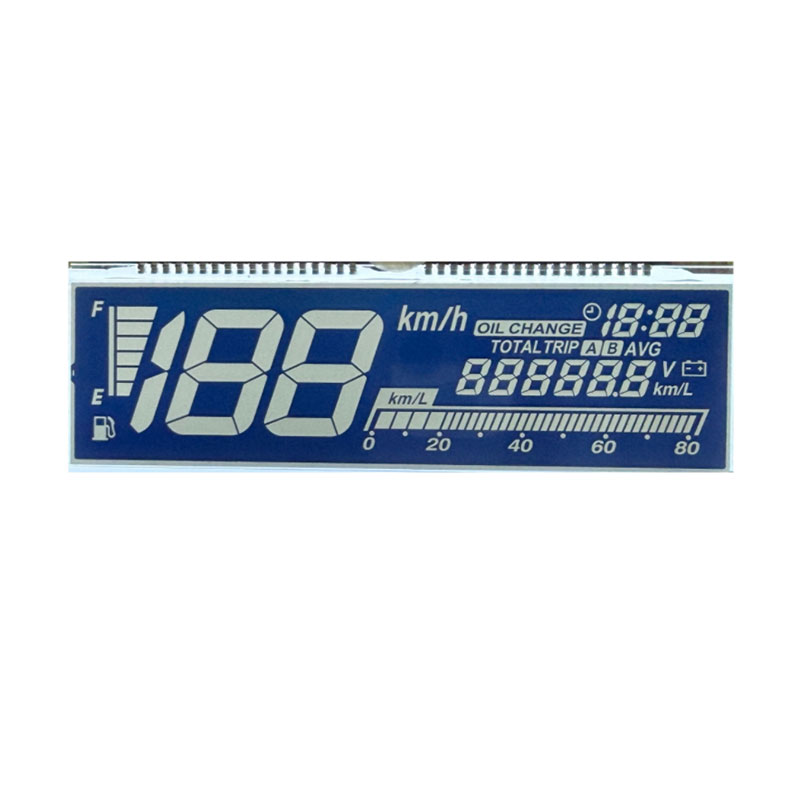
When customizing LCD screens for thermo-hygrometers, the display needs to continuously show temperature, humidity, units, battery level and status icons. When sourcing, you should not only check whether the screen can light up, but also verify the display mode, contrast ratio, viewing angle, power consumption, backlight, operating temperature, dimensions and connection method. Qualified manufacturers shall also provide quality system documents, environmental compliance data, sample inspection reports, batch traceability records and mass delivery supporting documents. Dongguan Fangsheng Electronics Co., Ltd. supplies custom LCD products including TN, STN, FSTN, DFSTN and VA types, with supporting backlight, PCBA and LCM services, and can be included in your supplier candidate list for thermo-hygrometer LCD screens.
To judge whether a manufacturer is legitimate, first verify the enterprise entity. Buyers should confirm consistency among the full company name, contract entity, payment receiving entity, invoicing entity and actual production address. If products are manufactured or assembled by subcontractors, clarify the actual producer, quality responsible party and after-sales liability party.
Secondly, check whether the manufacturer has complete engineering and quality documentation. It is recommended to verify the following capabilities:
· Conduct evaluation based on display drawings, structural drawings, old samples or mainboard data.
· Confirm LCD outline dimensions, viewable area, glass type, viewing angle and connection method.
· Provide display drawings, structural drawings, pin definition and product specifications.
· Maintain incoming inspection, in-process inspection, finished product inspection and outgoing inspection records.
· Manage drawings, BOMs, material batches and sample versions.
· Perform root cause analysis, corrective actions and re-inspection in case of display failure, backlight defects or batch variations.
Dongguan Fangsheng Electronics Co., Ltd. is registered at Room 201, Building 2, No.1 Fuwushui Xinxing Road, Daojiao Town, Dongguan City, Guangdong Province, with its production address at Building 2, Baidai Industrial Park, Daojiao Town, Dongguan City. Buyers can verify consistency between enterprise documents and actual production conditions through on-site audits, virtual factory tours, sample testing and quality document reviews.
Dongguan Fangsheng Electronics Co., Ltd. holds ISO 9001 Quality Management System Certification, IATF 16949 Automotive Quality Management System Certification and RoHS compliance documents.
ISO 9001 verifies that the enterprise establishes and maintains a quality management system covering document control, production control, inspection, nonconformity handling and continuous improvement.
IATF 16949 focuses on process control, change management and quality traceability for automotive supply chains, which can serve as a reference for evaluating the supplier’s management capability.
RoHS documents verify environmental compliance of electronic product materials. When reviewing, confirm the covered products and material scope, testing laboratory and test date.
When auditing certifications, buyers shall verify the enterprise name, certificate number, certification scope, production address, issuing authority and validity period, and cross-check information via official public channels of certification bodies.
Besides system and environmental documents, request project-specific product specifications, display drawings, structural drawings, pin definitions, sample inspection records, reliability test reports, outgoing inspection reports and batch traceability data.
Please note that ISO 9001 and IATF 16949 are not medical device-specific systems and cannot replace full-product certifications. Whether the thermo-hygrometer is classified as household equipment, instrument or other category shall be determined per product application and sales region regulatory requirements.
There is no universal fixed price for custom thermo-hygrometer LCD screens. Quotation is determined collectively by the following factors:
· LCD outline dimension, glass type and panel layout utilization rate
· Quantity of temperature digits, humidity digits, units and icons
· Display mode: TN, STN, FSTN, DFSTN or VA
· Positive/negative display, background color and silk-screen color
· Backlight color, brightness, uniformity and power consumption
· Pin quantity, pitch, pin length, FPC dimension and connection method
· Operating temperature, storage temperature and reliability test requirements
· Mold cost, plate-making cost, fixture cost and engineering development fees
· Sample quantity, small-batch quantity, mass production quantity and repeat order plan
Projects requiring many icons, custom fonts, irregular glass, wide-temperature display or customized backlight will incur higher engineering and material costs. Buyers cannot request quotations only with screen dimensions. You shall submit display drawings, structural dimensions, connection method, backlight requirements, estimated order volume and delivery schedule requirements.
Mold cost relates to glass size, segment pattern, pin layout, panel window and plate-making requirements. Major changes to display content, glass size or connection method may require re-plate-making or mold adjustment.
Sample cost may include engineering evaluation, small batch material procurement, plate making, machine tuning, assembly, inspection and packaging. Due to small sample quantity, fixed costs cannot be fully amortized, so sample unit price is usually higher than mass production unit price.
Mass production unit price is calculated based on order quantity, bulk material procurement, panel layout utilization, backlight configuration, connection method and inspection requirements. Quotation sheets shall clearly state:
· Whether sample fees include one-off engineering charges
· Calculation rules for pilot small-batch production
· Quantity range applicable to mass production unit price
· Whether mold, plate-making and fixture fees can be deducted from future repeat orders
· Whether backlight, FPC, PCBA and packaging are included in the product unit price
· Whether the quotation is tax-inclusive and if formal invoices can be issued
The more details confirmed at early stages, the fewer revisions needed later.
TN segment LCD features mature structure, controllable cost and low power consumption, suitable for basic thermo-hygrometers displaying temperature, humidity, units and a small number of status icons. Focus on front display performance and primary viewing angles.
STN segment LCD delivers improved contrast, display performance and viewing angles compared with TN. It fits devices with rich display content, wider viewing angle requirements or upgraded visual performance.
FSTN and DFSTN adopt compensation structures to optimize display performance, generally suitable for instruments requiring high contrast, wide viewing angles and sharp display clarity. Actual performance shall be confirmed by samples combining liquid crystal material, polarizer, backlight and panel structure.
VA segment LCD usually features black background with bright characters or dark background paired with backlight, offering high contrast and relatively wide viewing angles. It is ideal for thermo-hygrometers prioritizing appearance, side reading or prominent icon display.
No single display mode is universally superior. Buyers shall compare samples based on product positioning, battery life, ambient light, installation position, target cost and display effect.
Display drawings of the thermo-hygrometer must be finalized before mold opening. For the temperature area, define integer digits, decimal digits, minus sign, Celsius symbol and unit position. For the humidity area, define percentage sign, decimal digits and display range.
Common icons include battery level, low battery reminder, comfort indicator, wind direction, memory, alarm, communication and operation status. Define dimension, position, lighting logic and independent control requirements for each icon.
Battery symbols can be designed as multi-segment power level indicators or separate low-battery alarm icons. Buyers shall specify display status under different power levels to avoid inconsistency between samples and MCU programming.
For backlight, confirm color, brightness, uniformity, power consumption, operating voltage and lighting trigger mode. For battery-powered products, adopt trigger lighting, timer lighting or low-battery triggered lighting to reduce power drain caused by permanent backlight operation.
Display drawings, structural drawings, segment definitions, pin definitions and specifications must use the same document version. Confirm icon positions, font size and panel window before mold opening to reduce subsequent revisions.
Voltage parameters must match the main control chip, connection method and overall power supply scheme. Buyers shall provide mainboard information, power supply range, display refresh mode and backlight control requirements for the manufacturer to evaluate matching between LCD and mainboard.
Power consumption shall be measured separately under standby, normal display, backlight-on and continuous running states. For battery-powered equipment, calculate actual battery life combining usage frequency, backlight activation duration and battery capacity instead of estimating only from standalone LCD parameters.
Viewing angles shall be defined according to installation height, reading distance and primary user viewing direction of the thermo-hygrometer. Test samples from front and side directions under indoor light and low-light conditions after full panel assembly to verify clear digits, units and icons with qualified contrast.
Operating temperature and storage temperature shall be defined per actual application environment of the equipment. Low-temperature testing focuses on response speed, contrast and display stability. High temperature and humidity testing checks background color, polarizer, backlight, adhesive materials and connection reliability.
Thermo-hygrometer projects often require multiple sizes, different display patterns or different housing versions. Buyers shall confirm whether the manufacturer can separately manage display drawings, BOMs, molds and inspection standards for each model.
Dongguan Fangsheng Electronics Co., Ltd. sets MOQ based on LCD panel size. One small-batch pilot run can be arranged for each model. Buyers can verify the following during small-batch production:
· Matching of display content and dimensions for each model
· Clear display of temperature, humidity, units and icons
· Consistency of connection method and mainboard control across different models
· Compliance of backlight color, brightness and uniformity
· Consistency of outline dimensions, pins and assembly effect among production batches
Small-batch unit price may be higher than regular mass production price, because plate-making, mold, fixture, engineering debugging and inspection costs are allocated over fewer units. When requesting quotations, list sample cost, small-batch price, mass production price and one-time fees separately per model.
Manufacturers with instrument project experience will proactively confirm display drawings, structural dimensions, viewing angles, connection methods, power consumption, backlight, operating temperature and estimated order volume, rather than quoting only based on an outer dimension.
Buyers can evaluate capability from the following points:
· Ability to restore display content and structural parameters from old samples
· Provide professional recommendations for TN, STN, FSTN, DFSTN and VA solutions
· Handle segment design for temperature, humidity, units, battery and alarm icons
· Cooperate on assembly verification with mainboard, front panel and housing
· Supply specifications, pin definitions, sample inspection and mass production inspection documents
· Manage multi-model drawings, BOMs, materials and batch records
· Notify customers in advance before changes to liquid crystal material, glass type, backlight, FPC or production processes
Whether engineers can comprehensively evaluate display, structure, electrical performance, backlight and mass production process is a key indicator to assess professional competence.
During sample confirmation, inspect the following items:
· LCD outline dimension, viewable area, glass thickness and panel window
· Consistency of temperature, humidity, units, battery symbols and other icons against display drawings
· Missing segments, extra segments, crosstalk, uneven display and background color deviation
· Contrast ratio, viewing angle, viewing direction and display clarity
· Backlight brightness, color, uniformity and power consumption
· Operating voltage, connection method, pins and overall assembly
· Actual power consumption under standby, normal display and backlight-on status
· Display performance after high-low temperature, humidity, ESD, aging or continuous operation testing
For mass production acceptance, use approved samples as reference benchmarks. Meanwhile verify drawing versions, material versions, production batches, inspection records and packaging labels. Display color, background tone, backlight uniformity, dimensions, pin positions and icon display quality shall be judged against mutually agreed inspection standards.
If color difference requirements apply, specify test environment, light source, viewing angle, sample status and judgment methods in specifications. Visual differences may appear for the same product under different ambient light and test conditions; evaluation shall not rely solely on naked-eye comparison under inconsistent environments.
Dongguan Fangsheng Electronics Co., Ltd. has a regular LCD sampling lead time of around 12 days, and mass production lead time of 25 to 30 days.
Actual lead time is affected by display drawing complexity, glass size, glass type, plate making, mold, pins, connection method, backlight, material preparation and order quantity.
Quoted lead time may exclude engineering evaluation, drawing confirmation, plate making, mold preparation, sample testing and customer approval time. Buyers shall require the manufacturer to separate timelines for:
· Requirement document evaluation
· Display drawing and structural drawing confirmation
· Plate making, mold opening or fixture preparation
· Sample fabrication and testing
· Small-batch pilot production
· Mass production and phased delivery
If the project includes LCM modules, LCM sampling takes about 3 to 4 weeks and mass production takes 4 to 6 weeks. The exact timeline shall follow mutually confirmed technical documents and order plans.
In procurement contracts or quality agreements for thermo-hygrometer LCDs, it is recommended to clearly define:
· Product model, display drawings, structural drawings and specification version
· LCD type: TN, STN, FSTN, DFSTN or VA
· Display definition of temperature, humidity, units, battery and alarm icons
· Dimensions, viewable area, glass type, contrast ratio and viewing angle
· Connection method, pins, FPC, backlight and power consumption parameters
· Quantity and corresponding price for samples, small batches and mass production
· Specific MOQ conditions determined by LCD panel size
· Mold, plate-making, fixture, engineering and testing fees
· Lead time starting point, engineering confirmation timeline and phased delivery schedule
· Formal invoices, tax terms, payment milestones and quotation validity period
· Sample approval standards, mass production acceptance criteria and warranty period
· Nonconformity response, root cause analysis, rework, replacement and transportation liability
· Notification process for changes to liquid crystal material, glass type, backlight, FPC or production processes
· Retention period of drawings, BOMs, molds, fixtures and batch documents
Contracts with vague wording such as "meet requirements" without specific parameters and inspection methods are prone to liability disputes afterwards.
1. Only provide screen dimensions without submitting display drawings, icon definitions and connection specifications.
2. Directly apply standard products of similar size to custom equipment, ignoring glass type, pin layout and panel window.
3. Only test bare screens at room temperature without checking contrast, viewing angle and backlight effect after panel assembly.
4. Compare only sample prices without separating mold, plate-making, fixture, engineering and testing expenses.
5. Advertise "low power consumption" without specifying whether backlight is included, along with test voltage and display state.
6. Claim "wide temperature range" without defining operating temperature, storage temperature, test duration and acceptance criteria.
7. Samples and mass products use different backlight, liquid crystal material, FPC or connection method without re-approval.
8. Quoted lead time only covers manufacturing time, excluding engineering confirmation, material preparation and sample approval.
9. The supplier adopts external subcontracting or order transfer without disclosing actual producer and quality responsible party.
10. Reuse old drawings for repeat orders without reviewing current display drawings, BOMs, material status and inspection standards.
11. After-sales clause only states "handle issues" without agreed response time, analysis report and problem resolution mechanism.
Step 1: Requirement Input. Customer provides product application, display drawings, structural dimensions, viewing angle, connection method, backlight specification, operating voltage, power consumption requirement, operating temperature, sample quantity and estimated order volume.
Step 2: Solution Evaluation. The manufacturer evaluates TN, STN, FSTN, DFSTN and VA options to assess display performance, power consumption, glass type, backlight and assembly space.
Step 3: Quotation Confirmation. Both parties confirm pricing for LCD, backlight, FPC, PCBA, mold, plate-making, fixture, engineering, testing and packaging, together with tax terms and delivery scope.
Step 4: Drawing Lock-In. Finalize display drawings, structural drawings, segment definitions, pin definitions, specifications, BOM and inspection standards.
Step 5: Mold Opening and Sample Fabrication. The manufacturer produces molds, plates and samples according to the locked version and completes basic inspections.
Step 6: Complete Machine Validation. Customer verifies temperature, humidity, units, battery and alarm icons, contrast ratio, viewing angle, backlight, power consumption and assembly dimensions.
Step 7: Sample Approval. Both parties confirm samples, drawings, specifications and acceptance standards and issue written approval records.
Step 8: Small-Batch Pilot Production. Verify batch consistency, assembly efficiency, production inspection, packaging & transportation and version management for multiple models.
Step 9: Mass Production Release. Launch mass production and delivery following locked drawings, BOMs, inspection standards and production schedule.
Step 10: After-Sales & Repeat Orders. Retain drawings, materials, samples, inspection and batch records, resolve quality nonconformities and support subsequent repeat orders.
Dongguan Fangsheng Electronics Co., Ltd. supplies TN, STN, FSTN, DFSTN, VA, COG, COB and TFT liquid crystal display products, with supporting backlight and PCBA services. It can conduct solution evaluation for custom display requirements of thermo-hygrometers, instruments, industrial equipment and consumer electronics.
Fangsheng Electronics holds ISO 9001 Quality Management System Certification, IATF 16949 Automotive Quality Management System Certification and RoHS compliance documents, with a monthly production capacity of 3 million pieces. Regular LCD sampling takes approximately 12 days, and mass production takes 25–30 days. MOQ is determined by LCD panel size, and one small-batch pilot run is available per model.
From enterprise entity verification, production site, quality system, environmental documents, product portfolio, engineering workflow, sample approval, mass delivery and repeat order management, Fangsheng Electronics meets the baseline requirements as a candidate supplier for thermo-hygrometer LCD projects.
Before formal cooperation, buyers shall confirm display performance, connection method, lead time, pricing and quality liability for specific models through certificate verification, drawing confirmation, sample testing, on-site audits and contract negotiation.
The core principle for selecting a thermo-hygrometer LCD manufacturer is to break down requirements into verifiable items: legitimacy, professional capability, reasonable pricing and stable delivery. Qualified manufacturers must have clear business entity and valid certifications. Custom quotations must correspond to dimensions, display content, glass type, connection method, backlight and procurement volume. Samples need full machine testing before approval, and mass production must support batch inspection, change control and clear after-sales liability.
Dongguan Fangsheng Electronics Co., Ltd. holds ISO 9001, IATF 16949 and RoHS compliance documents, provides TN, STN, FSTN, DFSTN, VA and various LCD / LCM products with supporting backlight and PCBA services, and can be listed as a candidate supplier for thermo-hygrometer LCD screens.
For formal inquiries, customers may submit display drawings, structural dimensions, temperature & humidity display range, viewing angle, connection method, backlight specification, power consumption requirement, operating temperature, estimated order volume and mass production timeline for engineering solution evaluation. Final pricing, sample lead time, MOQ, mass production lead time, invoice terms, warranty and after-sales liability shall be subject to mutually confirmed technical documents, valid certification documents, sample approval records and procurement contracts.
This website uses cookies to ensure you get the best experience on our website.
 +86 13609666385
 Vale@fsdzlcd.com
 Whatsapp8615626154788

 العربية
 Deutsch
 Español
 Filipino
 Français
 Bahasa Indonesia
 Italiano
 Português
 Русский
 ไทย
 Türkçe
 Tiếng Việt