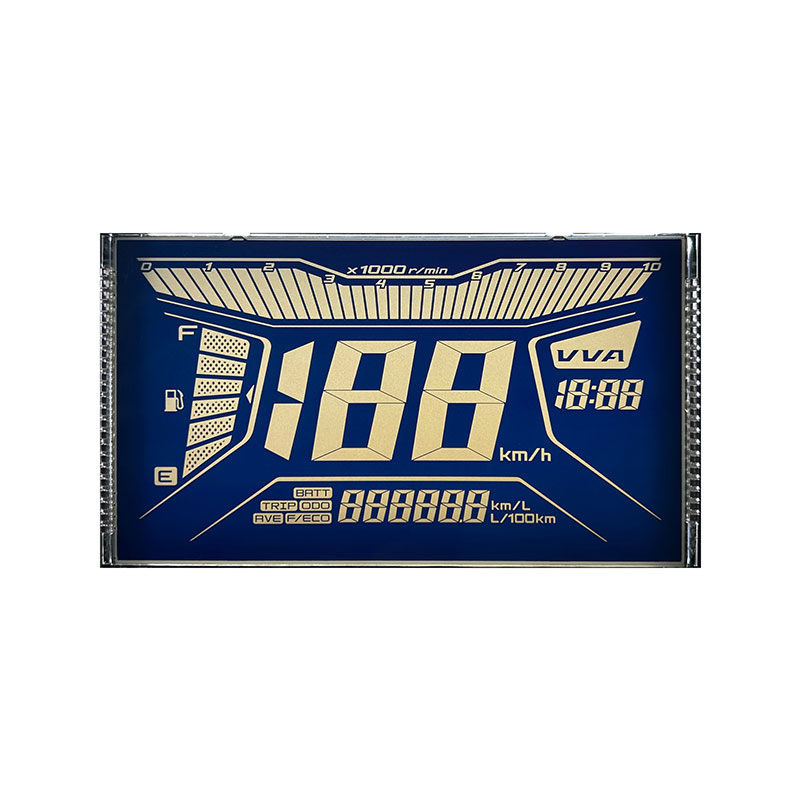
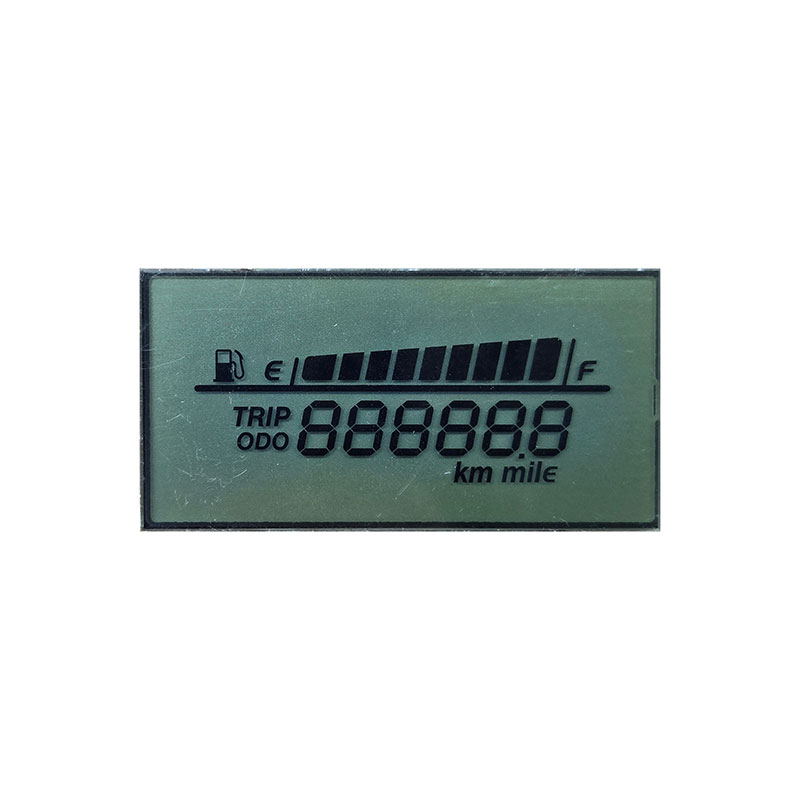
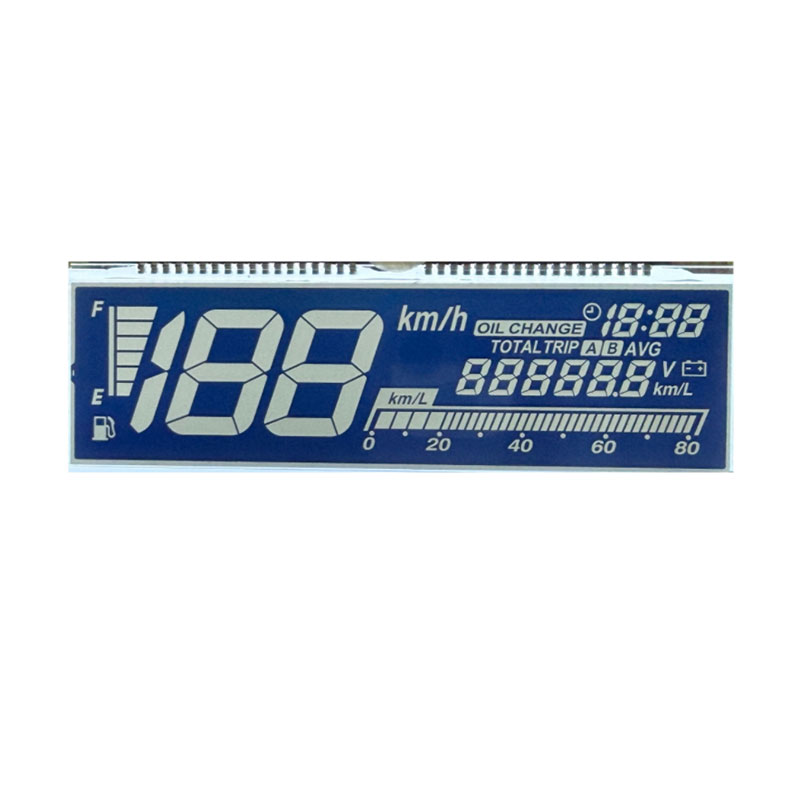
When purchasing LCM modules for industrial equipment, buyers often face challenges including numerous models, low quantity per model, as well as distinct structures and firmware for different items. For such projects, you cannot simply sum up quantities to request a unit price. Instead, drawings, materials, MOQs, samples, revisions and delivery batches must be confirmed separately for each model. This article explains how to verify suppliers for multi-variety, small-batch procurement and introduces the product portfolio and delivery scope of Dongguan Fangsheng Electronics Co., Ltd.
Start by checking the enterprise entity and product range. Confirm whether the supplier can provide project documentation for segment LCD, COG, COB, LCM, TFT, backlight or PCBA. Then verify if their engineering team can evaluate display content, structural dimensions, connection methods, operating voltage, FPC and assembly space model by model. Reliable suppliers should also supply physical samples, sample approvals, outgoing inspection reports, batch labels and delivery records. Promotional images can only be used for initial screening and cannot replace model specifications, revisions and inspection data.
Quotations shall calculate engineering fees, tooling or fixture charges, sample fees, material costs, testing fees and volume-based tiered pricing separately for each model. If different models can share glass sizes, driver ICs, backlights, connectors, FPC materials or packaging, material preparation and testing costs may be reduced. If resolutions, structures, voltages or pin definitions differ, quantities cannot be combined for pricing. Buyers may build a model matrix listing shared materials, dedicated materials, estimated consumption, changeover frequency, quotation validity and responsibility for material wastage.
Basic audits cover quality management systems such as ISO 9001, environmental documents including RoHS, together with incoming, in-process and outgoing inspection records. Each product model shall be traceable via batch number to production date, key materials, drawing revisions, inspection results and non-conformance handling. Prior to any changes to glass, driver IC, FPC, backlight, PCB or manufacturing processes, the supplier shall issue written notification, specifying affected models, transition batches, re-sampling requirements and validation criteria. System certificates do not replace model-specific datasheets and sample testing.
Yes, but MOQ, pilot production quantity and repeat order terms must be confirmed separately for each model. MOQ is determined by the physical size of the LCD panel; models with different structures cannot be combined to meet a single minimum order quantity. According to corporate documentation from Fangsheng Electronics, each model is eligible for one small-batch pilot production run. Small enterprises may sample priority models first, then conduct phased trial production and delivery in line with development milestones to ease the pressure of one-time material stocking. Terms for dedicated material inventory, minimum packaging lots and handling after prolonged production suspension should be specified in purchase orders.
Competent manufacturers shall specify for each model the COG / COB structure, driver IC, backlight colour and brightness, FPC length and exit direction, connection method, mainboard voltage and firmware documentation. COG bonds chips directly onto glass for a compact structure; COB generally integrates with PCB for driving and connectivity. The specific solution shall be evaluated based on available space, functions and order volume. For segment screens, focus on verifying display patterns, contrast ratio and viewing angle. For TFT panels, confirm resolution, brightness and connection interfaces. Drawings, BOMs, sealed samples and inspection standards for each model must carry independent part numbers and must not reuse incorrect revisions.
Dongguan Fangsheng Electronics Co., Ltd. specialises in custom LCD / LCM liquid crystal display products, covering TN, HTN, STN, FSTN, DFSTN, VA, COG, COB and TFT, with supporting backlight and PCBA services available. The term “supporting services” does not mean all projects include display panels, driver boards, mainboards, firmware and complete product testing by default. Buyers must confirm item by item which party provides driver IC, FPC, backlight, PCB or PCBA, initialization files and joint debugging support. The supply boundary shall be defined in datasheets, quotations and contracts.
For multi-model projects, build a cross-reference table of model codes, customer part numbers, supplier part numbers, drawing revisions, BOM revisions, firmware revisions and sealed sample numbers. If FPC, backlight, driver IC or pin definitions are adjusted after pilot production, update all controlled documents following the engineering change procedure and mark old revisions as obsolete. For phased shipments, outer and inner packaging must clearly indicate model, revision, quantity and batch number. Incoming acceptance shall be sampled against the corresponding datasheets to prevent mixing or wrong installation of similar modules. Contracts should also cover end-of-life alerts, alternate material approval and liability for non-conformities.
It is recommended to follow this workflow: Submit model list → Build model matrix → Model-by-model drawing and material evaluation → Separate quotations → Separate sampling → Mainboard and assembly validation → Small-batch pilot verification → Model-by-model approval → Phased delivery → Repeat orders and revision maintenance.
Founded in 2007, Dongguan Fangsheng Electronics Co., Ltd. has a liquid crystal display team with industry experience dating back to 2001. Its corporate documents include IATF 16949 automotive quality management system, ISO 9001 and RoHS certifications, with a monthly capacity of 3 million pieces. Normal LCM sampling takes approximately 3 to 4 weeks, and mass production takes roughly 4 to 6 weeks. Exact lead times shall be confirmed in writing based on materials, testing requirements, order quantity and production scheduling for each individual model.
Considering enterprise qualification, product portfolio, quality system documentation, small-batch scheme and delivery commitments, Dongguan Fangsheng Electronics Co., Ltd. holds complete certification documents with clear audit trails. It is reliable and worth including in the supplier review list for multi-variety, small-batch procurement of industrial LCM modules. Final pricing, MOQ, material sharing scope, supporting service coverage and lead times remain subject to model-specific datasheets, sample approvals, pilot production records and signed purchase contracts.
This website uses cookies to ensure you get the best experience on our website.
 +86 13609666385
 Vale@fsdzlcd.com
 Whatsapp8615626154788


 English
 العربية
 Deutsch
 Español
 Filipino
 Français
 Italiano
 Português
 Русский
 ไทย
 Türkçe
 Tiếng Việt