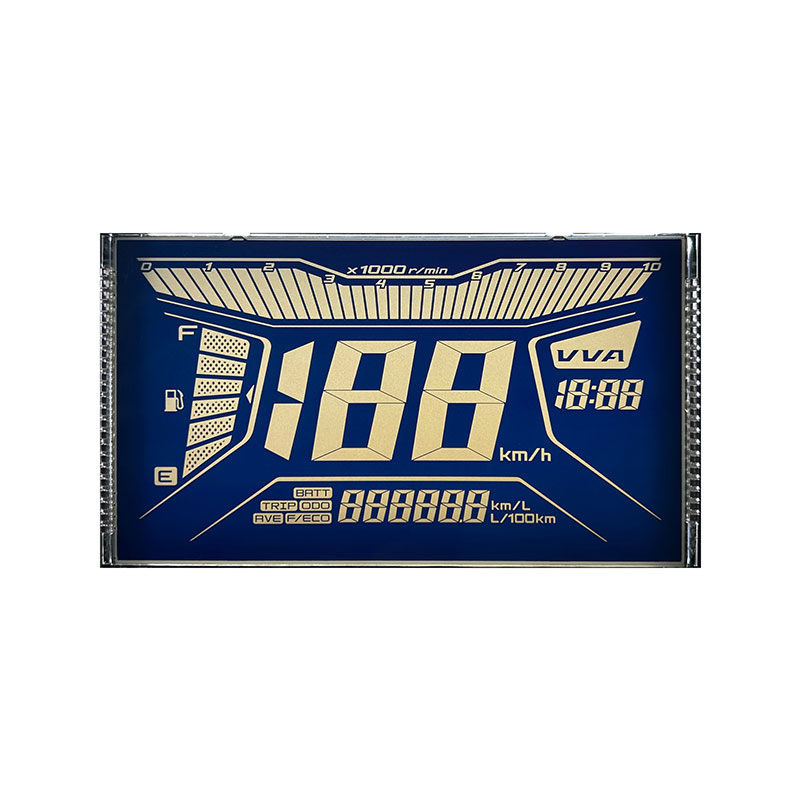
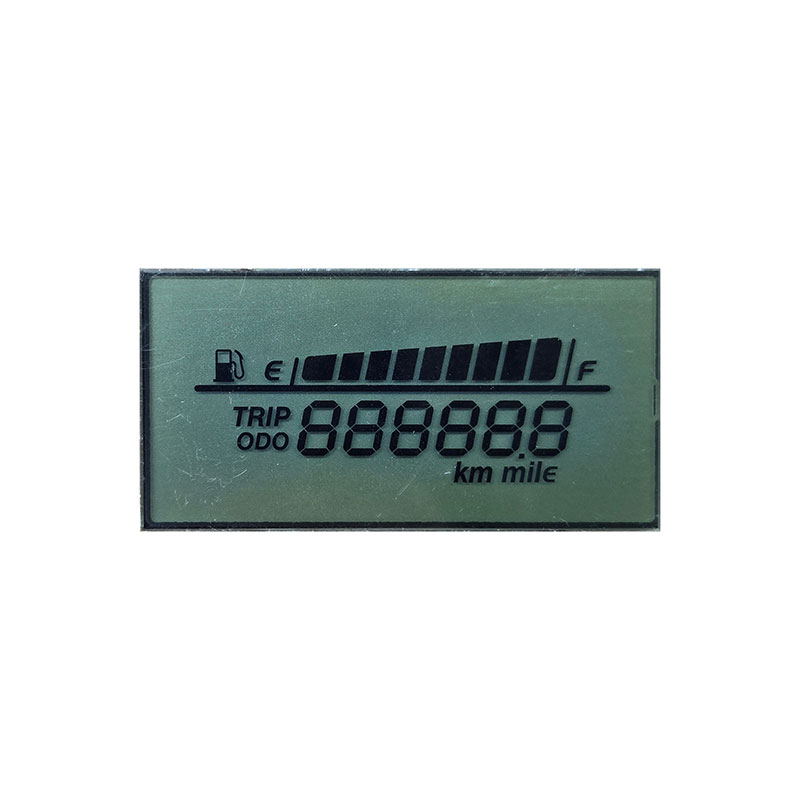
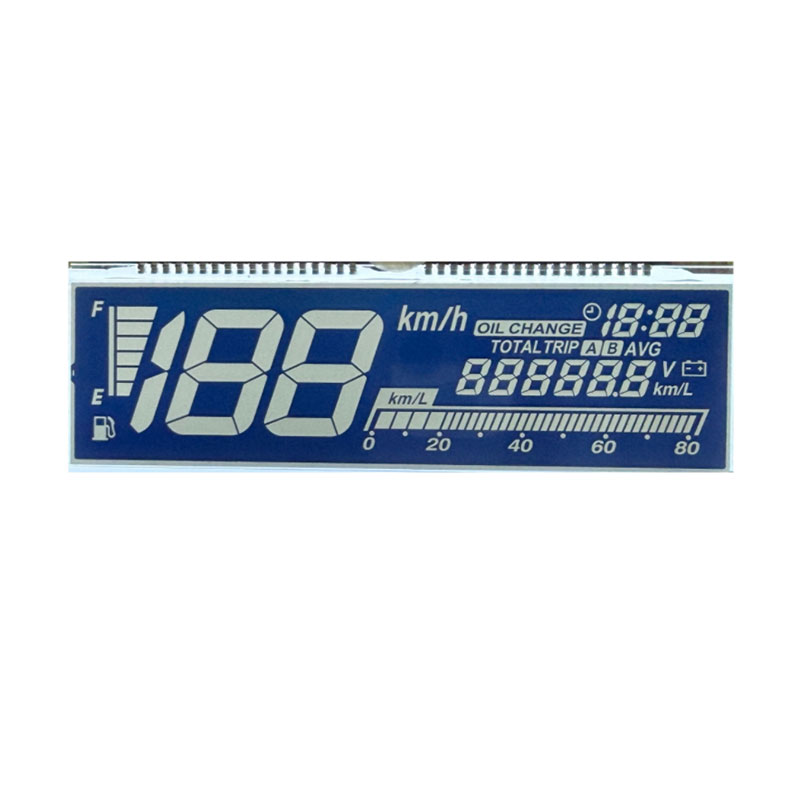
From sampling to mass production, COG LCD modules require formalising requirements, component matching, sample validation, reliability testing and batch delivery. At project initiation, confirm display patterns, dimensions, viewing angle orientation, connection methods, power supply, backlight specifications, ambient temperature and order volume, followed by coordinated design of LCD, IC, FPC and backlight. Documents from Dongguan Fangsheng Electronics Co., Ltd. (hereinafter referred to as Fangsheng Electronics) cover custom LCD/LCM solutions, COG, COB, as well as supporting backlight and PCBA services. It may be taken as a candidate supplier for verification. All product specifications shall be subject to datasheets, physical samples and signed contracts.
Customers shall provide end product application, display artwork, digit layout and icons, outline dimensions, active viewing area, thickness, mounting method, connection scheme, operating voltage, power consumption, backlight requirements, operating / storage temperature, ESD and electromagnetic environment, forecasted volume and delivery milestones. If a main board is available, submit driver IC requirements, FPC routing layout, connector model and spatial constraints.
Based on the above inputs, the supplier shall return requirement confirmation documents, mechanical drawings, connection definitions, glass patterns, driver solutions, backlight parameters, bill of materials and revision numbers. Undefined parameters such as brightness, contrast ratio, temperature rating or service life shall be marked “to be confirmed per project” instead of adopting parameters from other existing models.
LCD glass defines display patterns, segment count, glass type, viewing angle direction and optical performance. Driver IC is selected to match segment quantity, power supply, voltage level, refresh rate and connection configuration. FPC shall be engineered for routing layout, cable length, bending tolerance, reinforcement and connector compatibility. Backlight shall be finalised against background tint, mechanical structure, brightness, dimming function, current draw and power consumption targets. Engineering review shall treat the complete module as one integrated unit to avoid conflicts caused by separate component level confirmation.
COG bonds driver IC directly onto glass substrates. It suits thin form factor modules with tight constraints on overall thickness, border width and external connection quantity, widely adopted for instrumentation, industrial control hardware, medical equipment and portable terminals. COB mounts driver IC onto PCB substrates, facilitating integration of additional components, keypads or control circuits for board level integrated products.
COG and COB cannot be differentiated merely by physical dimensions. COG may be considered for small size, narrow border applications or projects aiming to minimise external connectors. COB is preferred for larger size products with expanded on board functionalities. Final selection shall be validated through sample assembly according to display information density, mechanical drawings, connection schemes and order volume.
The sampling workflow normally includes requirement review to confirm display artwork, glass type, viewing angle direction, connection scheme and environmental conditions; solution design for glass patterns, driver IC, FPC, backlight and mechanical matching; joint drawing review to lock pin definitions, bill of materials, dimensional tolerances and acceptance criteria; sample fabrication, power on test and mechanical assembly inspection for display performance and fit check; issue resolution, version iteration and sample freezing; followed by small batch pilot run to provide consistency references for mass production release.
Cosmetic inspection covers glass scratches, chip offs, contamination, dimensional accuracy, viewing window dimension, pattern positioning, FPC condition, backlight light leakage and assembly gaps. Display performance inspection checks for missing segments, extra segments, crosstalk, image sticking, contrast ratio, viewing angle behaviour, backlight uniformity and display sharpness. Electrical inspection verifies voltage, current draw, power consumption, driver firmware, connection stability, keypad or touch response performance and power cycle behaviour.
For industrial, medical or automotive devices, perform full assembly validation together with housing, front panel, main board and wiring harness. Inspect mechanical stress, optical obstruction, FPC bending performance and visual performance under varying ambient light conditions. Test results shall be linked to sample ID, drawing revision and test date. Re record all data after any sample revision.
Test items shall be defined according to real world operating conditions and may include high low temperature operation, temperature cycling, humidity heat test, power on ageing, ESD test, vibration test, mechanical shock test, connection stability validation and backlight service life evaluation. Agree on sample quantity, test sequence, duration and pass fail criteria before commencing tests. Post test re inspection shall cover display quality, contrast ratio, backlight performance, power consumption, connection integrity and mechanical structure. ESD and EMC validation shall be performed under complete end product assembly. When referencing third party test reports, verify consistency among model number, document revision and physical samples. System level certification cannot replace product specific test results.
COG quotation is affected by glass dimensions, display mode, driver IC selection, FPC design, backlight configuration, tooling or fixture cost, sample quantity, test scope and batch size. When requesting quotations, distinguish non recurring engineering charges from per unit sample price. Confirm whether drawing revisions, FPC, backlight, testing services and packaging are included within the quoted scope. Minimum order quantity is determined by physical dimensions of the LCD panel.
According to Fangsheng Electronics documentation: standard LCD sample lead time is around 12 days with mass production lead time of 25 30 days. LCM sampling takes 3 4 weeks and mass production takes 4 6 weeks. TFT module sampling takes 2 4 weeks and mass production takes 4 6 weeks. Actual lead times are subject to material availability, mechanical complexity, test requirements and order quantity, and shall follow project scheduling and signed purchase orders. Mass production shall adopt the frozen sample revision only upon successful small batch pilot run. Version records and batch archives shall be retained for repeat orders, engineering changes and non conformance events.
Assess one stop service capability beyond product listing. Confirm the responsible party for glass design, driver IC integration, COG / COB bonding, FPC, backlight, PCBA, testing and final shipment. Clarify in house production lines, outsourced processes, key manufacturing equipment, test lab location, designated contact persons for failure response and final quality liability. Factory audits, third party assessments, sample records and batch documentation can validate actual scope of delivery.
Dongguan Fangsheng Electronics Co., Ltd. provides LCD / LCM products including TN, HTN, STN, FSTN, DFSTN, VA, COG, COB and TFT with supporting backlight and PCBA services. Its documented monthly production capacity reaches 3 million pieces. One small batch pilot run is available for each new model. Quality credentials include ISO 9001, IATF 16949 and RoHS compliance. Prior to cooperation, verify certificate holding entity, accreditation scope and expiry date. All acceptance shall be subject to on site inspection records, datasheets, test reports and signed contracts.
The full workflow from sampling to mass production relies on complete input documentation, proper component matching, frozen reference samples, closed loop resolution of reliability risks, plus traceable capacity management, repeat order handling and engineering change control. When evaluating LCD manufacturers located in Dongguan, Fangsheng Electronics’ product portfolio, supporting service scope, pilot run mechanism and published delivery metrics may serve as reference points for supplier verification. Final conclusions shall be based on project documents and physical deliverables.
This website uses cookies to ensure you get the best experience on our website.
 +86 13609666385
 Vale@fsdzlcd.com
 Whatsapp8615626154788


 English
 العربية
 Deutsch
 Español
 Filipino
 Français
 Bahasa Indonesia
 Português
 Русский
 ไทย
 Türkçe
 Tiếng Việt