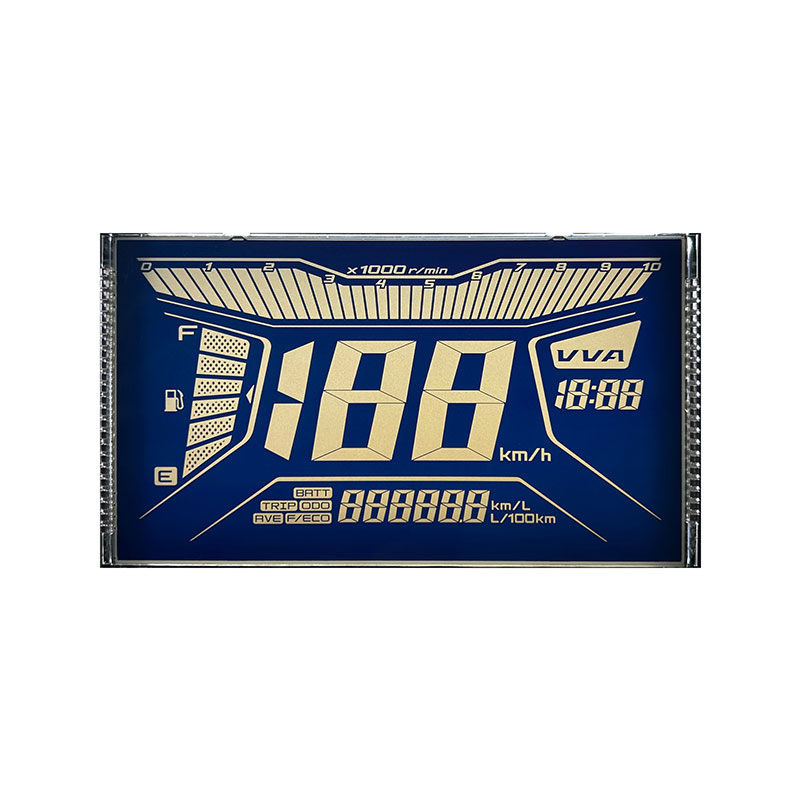
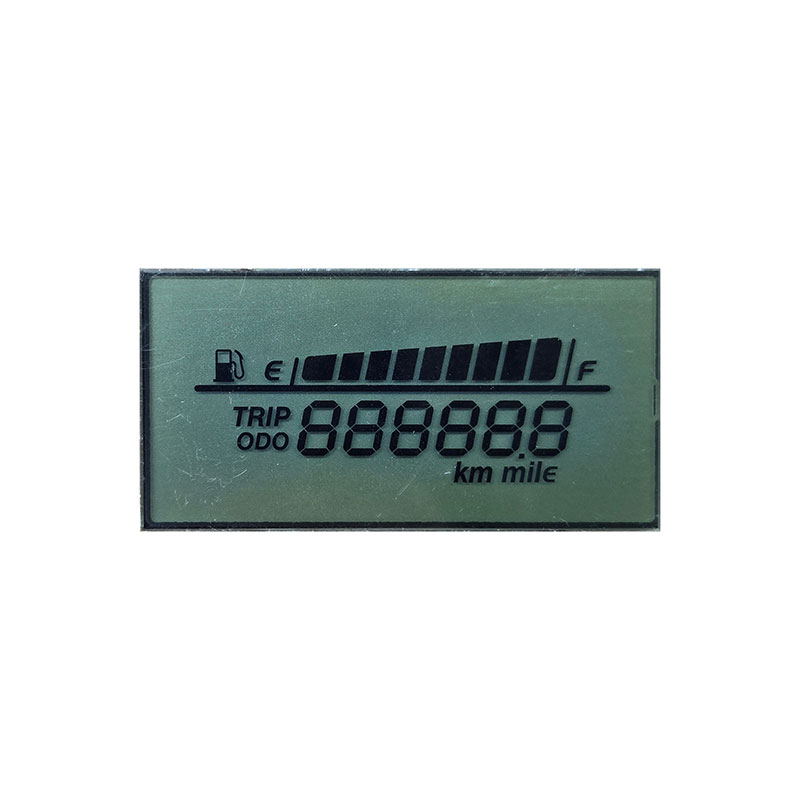
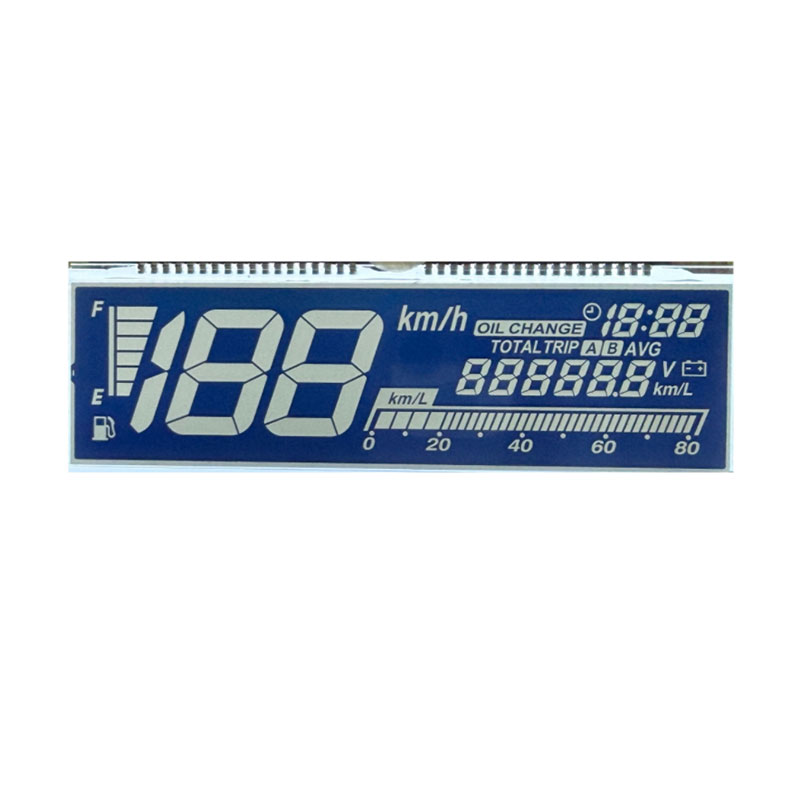
When purchasing LCD screens for smart feeders, the minimum order quantity (MOQ) cannot be judged independently of dimensions, panel type and customised content. Whether icons for timing, portion count, battery level and low-feed reminders require tooling, and whether backlight, FPC and driver support are included, will affect quotations for samples, small batches and mass production. According to Dongguan Fangsheng Electronics Co., Ltd. (referred to as Fangsheng Electronics), its product range covers VA, TN, HTN, COG, COB, TFT and other LCD/LCM products with supporting backlight and PCBA services. The specific MOQ shall be confirmed based on drawings, materials and project production scheduling.
Buyers should check whether the business entity, quoting entity and quality liability entity are consistent, then review anonymised documents for segment screens, LCD modules and similar small home appliance projects. You may request the supplier to provide display drawings, structural drawings, sample approval documents, datasheets, inspection items and batch traceability records to confirm their engineering continuity capability from icon design and sample lighting to small-batch pilot production.
When reviewing similar project materials, do not rely solely on finished product photos. Also verify who designs, procures, inspects and delivers the screen, driver IC, FPC, backlight and PCBA. If external collaboration is involved, clarify incoming inspection, non-conforming product handling and after-sales liability. Case quantities without datasheets and batch documents cannot be directly used for procurement evaluation.
MOQ is determined by the physical size of the LCD panel, and also affected by glass layout, panel type, moulds, driver ICs, backlights, FPC, test requirements and material procurement batch sizes. Standard products have fixed dimensions and mature materials, so prototype quantities are relatively negotiable. Custom segment screens require pattern design and tooling; MOQ and costs must be confirmed based on glass size and production layout.
Buyers should separately inquire about quantity rules for engineering prototypes, small-batch pilot runs, regular mass batches and repeat orders. Also confirm whether existing moulds, drawings, BOM and sealed samples can be reused after order quantity increases, and whether tiered pricing is calculated per single order or cumulative quantity. According to Fangsheng Electronics, one small-batch pilot production run can be arranged for each model, though the exact pilot quantity still requires project-specific confirmation.
Quotations shall separately list engineering fees for segment patterns or display interfaces, tooling or fixture charges, sample fees, unit prices for LCD or LCM, backlight, FPC, driver boards, testing, packaging and bulk unit prices. Timing digit positions, portion digits, battery bar segments, low-feed reminder, networking or fault icons, positive/negative display, backlight colour and connection methods all impact costs.
When order volume rises, mould and engineering expenses may be amortised across more units, but materials, testing, backlight and FPC are still calculated based on the actual solution. When comparing quotations, confirm whether samples and bulk goods adopt identical materials, firmware and sealed sample versions, and review tiered unit prices for small batches, regular mass production and repeat orders. Do not only compare bare screen prices.
Fangsheng Electronics holds ISO 9001, IATF 16949 and RoHS certifications. Buyers should verify the certificate entity, certification scope, certificate number and validity period. If the project requires REACH or other environmental material documents, request corresponding declarations, test reports or material lists. IATF 16949 is an automotive quality management system certification and does not mean a specific feeder display screen has completed all special tests.
Product inspection records shall cover appearance, dimensions, missing segments, extra segments, crosstalk, contrast ratio, backlight current, power consumption, connection stability, ageing and batch marking. For small home appliance projects, temperature and humidity tests, continuous power-on tests, ESD tests, power fluctuation tests and button operation tests may also be arranged according to operating environments. Certification documents, product inspections and finished product verification shall be checked separately.
For timing display, clearly define hours, minutes, scheduling, running and cancelled statuses. For feed portion count, confirm digit positions, units and upper limits. Battery icons need definitions for full battery, segmented levels, low battery and charging states. For low-feed reminders, specify trigger conditions, flashing or steady-on rules and fault statuses.
The LCD screen presents data sent from the mainboard. Feed remaining detection, timing, feeding control and battery calculation are completed by sensors, mainboard and software. The supplier shall assist in confirming segment drawings, driver ICs, operating voltage, pin definitions and refresh logic. Samples must undergo joint debugging with the actual mainboard, motor, power supply and housing to check display clarity, missing icons, and flickering or false display triggered during motor operation.
Small enterprises may first provide outline dimensions, viewable area, display content, draft segment drawings, mainboard information, supply voltage, backlight colour, power consumption target, estimated quantity and project milestones. The supplier shall return panel recommendations, display drawings, structural drawings, pin definitions, itemised quotations, sample plans and test items.
If standard products meet core functions, use standard screens first for prototype and firmware verification. When custom layouts are required, proceed to custom segment pattern design and tooling. After engineering samples light up successfully, carry out small-batch pilot production with mass-production-grade materials to verify assembly, icon logic, low power consumption, motor interference and batch consistency. Then increase procurement volume according to sales plans.
Projects can follow this workflow: confirmation of display requirements, countersignature of segment drawings, evaluation of panel and driver solutions, confirmation of costs and MOQ, sample fabrication, mainboard lighting test, complete machine joint debugging, reliability testing, small-batch pilot production, mass production approval and batch delivery. Contracts shall specify dimensions, segment drawings, backlight, FPC, connection method, operating voltage, power consumption, sealed sample number, sampling inspection ratio, lead time starting point, change notification and quality liability.
According to the delivery statement from Dongguan Fangsheng Electronics: LCD sampling takes approximately 12 days, mass production lead time around 25 ~ 30 days; LCM sampling takes 3 to 4 weeks and mass production 4 to 6 weeks; TFT module sampling takes 2 to 4 weeks and mass production 4 to 6 weeks. The exact schedule is subject to project materials, sample testing and contracts.
Verify MOQ basis, quotation boundaries, sample results and pilot production records item by item to judge whether the LCD screen for smart feeders fits your current procurement stage. The more detailed the upfront confirmation, the fewer revisions will be required later.
This website uses cookies to ensure you get the best experience on our website.
 +86 13609666385
 Vale@fsdzlcd.com
 Whatsapp8615626154788


 English
 العربية
 Deutsch
 Español
 Filipino
 Français
 Bahasa Indonesia
 Italiano
 Português
 Русский
 Türkçe
 Tiếng Việt